
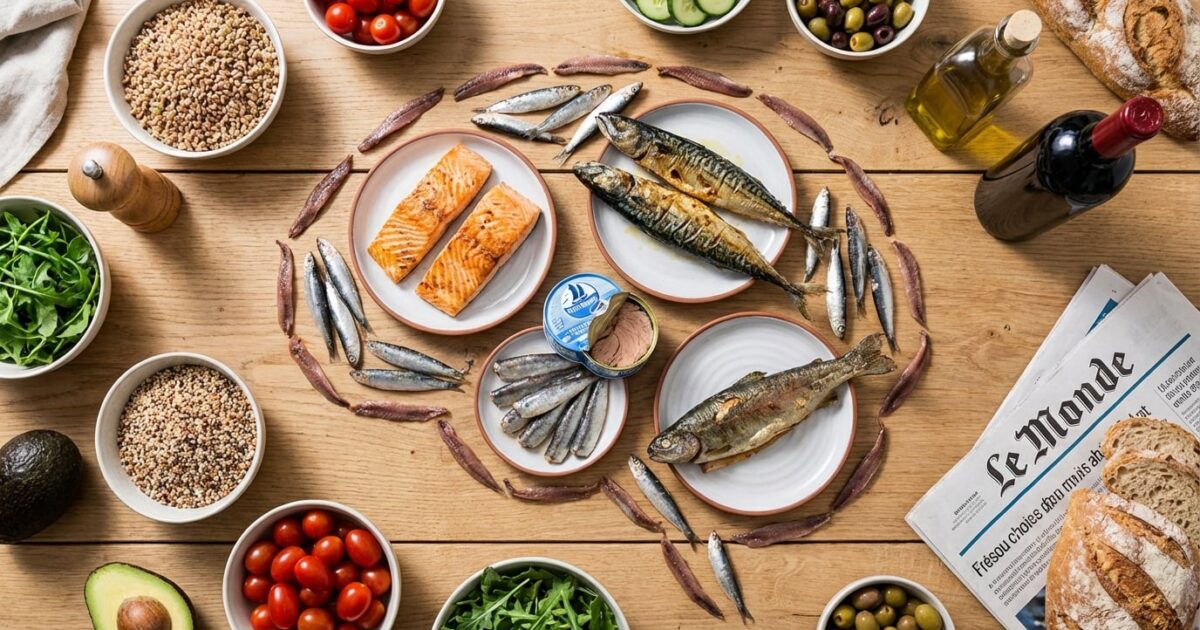
Omega-3 fatty acids EPA and DHA are among the most studied nutrients for brain health, and fatty fish remain their richest dietary source. Health authorities recommend eating fish twice a week, including at least one portion of oily fish, to cover the 250 mg/day of each that adults need. Not all fish are equal on this front — here is what the science and the numbers actually say.
The debate between salmon, tuna, sardines and their rivals is not just a matter of taste. Behind each species lies a very different nutritional profile, a distinct position in the food chain, and a specific level of risk when it comes to mercury accumulation. Choosing the right fish, and rotating between species, makes a measurable difference for long-term cognitive health.
Omega-3 fatty acids and brain health: what the research shows
DHA (docosahexaenoic acid) is literally a structural component of the brain. It forms a major part of neuronal membranes and is embedded throughout cerebral tissue from fetal development all the way into old age. Without adequate DHA, the physical architecture of the brain is compromised before you even get to the question of function.
EPA (eicosapentaenoic acid) works differently but just as critically. Together with DHA, it supports communication between brain cells, underpinning processes like memory consolidation and learning. Both fatty acids also carry anti-inflammatory properties that appear to slow the biological wear associated with brain aging.
What observational studies reveal about cognitive decline
Studies tracking older populations have repeatedly observed a slower rate of memory decline in seniors who consume fish regularly. The Mediterranean diet and the MIND diet — both characterized by frequent fish consumption alongside vegetables, whole grains and legumes — are associated with a meaningfully lower risk of dementia. These are not isolated findings.
A separate thread of research connects vitamin D deficiency to accelerated cognitive decline in seniors. This matters here because fatty fish are one of the few natural food sources of vitamin D, alongside omega-3s. The nutritional case for oily fish is therefore broader than the omega-3 story alone.
Health authorities recommend 250 mg/day of EPA and 250 mg/day of DHA for adults. These levels are difficult to reach without regular consumption of fatty fish.
The 7 best fish for omega-3s, ranked by what they actually deliver
Not every fish on the market deserves equal billing. The seven species below stand out for their omega-3 content, their availability, and their overall nutritional density.
Small oily fish: the most efficient sources
Sardines, Atlantic mackerel, herring, and anchovies all deliver more than 1 gram of omega-3s per 100 grams — a threshold that places them at the top of any ranking. They are also positioned low in the food chain, which means they accumulate far less mercury than larger predatory species. For pregnant women, children, and anyone eating fish multiple times a week, this is a decisive advantage.
Sardines in particular combine omega-3s with calcium (especially when eaten with bones), vitamin B12, selenium, and vitamin D. Mackerel from the Atlantic brings a similarly dense profile, with magnesium and vitamin E added to the mix. Herring and anchovies round out this group with comparable omega-3 levels and the same low-mercury advantage.
Salmon, trout, and tuna: the mid-range options
Salmon is probably the most recognized omega-3 source globally, and its reputation is earned. It delivers substantial amounts of EPA and DHA alongside protein, vitamin D, and B12. Trout offers a very similar profile and is often more affordable, making it a practical alternative for regular weekly consumption.
Tuna is where things get more nuanced. Canned tuna is convenient and widely eaten, and it does contain meaningful omega-3 levels. But tuna sits higher in the food chain than sardines or mackerel, which means mercury concentrations are higher. Health authorities specifically recommend limiting tuna frequency for pregnant women and children. When you do eat it, opting for "light" tuna (typically skipjack) rather than albacore reduces mercury exposure without eliminating the nutritional benefit.
- Over 1g omega-3 per 100g
- Low mercury accumulation
- Rich in vitamin D, calcium, selenium
- Safe for pregnant women and children
- Higher mercury content
- Frequency should be limited for vulnerable groups
- Lower omega-3 density than sardines or mackerel
How to actually eat more omega-3-rich fish without overthinking it
The practical barrier for most people is not knowledge — it is habit. The two portions per week recommendation is achievable with a few structural shifts in how you plan meals.
Cooking methods that preserve omega-3s
The mode of preparation matters. Baking, cooking en papillote (in parchment), and grilling are the most effective methods for preserving the omega-3 content of fish while avoiding the addition of unnecessary fats. Deep-frying, by contrast, can degrade the fatty acids and adds a caloric load that offsets some of the health benefit.
Pairing fish with vegetables and whole grains is not just a Mediterranean aesthetic choice. It reflects the dietary pattern that the research actually studied when observing lower dementia risk. A grilled mackerel fillet with roasted vegetables and a side of whole grain bread is, in nutritional terms, one of the most brain-supportive meals you can put together. The same logic applies to a sardine-based dish inspired by the kind of Mediterranean-style cooking that has historically characterized low-dementia populations.
Rotating species is better than picking one favorite
Variety is the most underrated principle here. Eating only salmon every week, while nutritionally sound, misses the broader micronutrient spectrum that comes from rotating across species. Sardines bring calcium. Mackerel brings vitamin E. Herring adds another angle on vitamin D. Anchovy-based preparations, common in many traditional cuisines, offer a concentrated burst of omega-3s in small quantities.
The rotation principle also manages mercury exposure automatically. By alternating between small oily fish and occasional tuna or salmon, you maximize EPA and DHA intake while keeping contaminant accumulation well within safe limits. This is precisely the approach that aligns with a Mediterranean-style diet — not a rigid protocol, but a flexible pattern of varied, whole-food eating.
of omega-3s per 100g in sardines, mackerel, herring and anchovies
Building this habit into weekly cooking does not require elaborate recipes. A tin of sardines on whole grain toast, a baked trout fillet with lemon and herbs, or a herring salad alongside seasonal vegetables — these are low-effort preparations that accumulate into a meaningful dietary pattern over time. The brain benefits associated with regular fish consumption are not the product of one exceptional meal, but of consistent, varied choices made week after week. If you are already experimenting with nutritious home cooking, the same attention to ingredient quality that applies to pantry staples applies equally here.