Cookbook author Padma Lakshmi shares 3 anti-inflammatory toast recipes built around pomegranate seeds — each ready in under 5 minutes. The concept: a simple "mini anti-inflammatory kit" prepped in advance, for a quick lunch at home or at the office that actually works for your body.
It's 1:45 PM, the hunger hits, and the vending machine is right there. A bag of chips, a processed cereal bar — quick, easy, done. But that kind of snacking quietly adds up: fast sugars, refined flours, and low-quality oils that feed chronic inflammation over time. Padma Lakshmi, cookbook author and former model, has a different answer to that 5-minute window.
Her solution is built around three savory toasts, all sharing the same base, all leaning on pomegranate seeds as the central anti-inflammatory ingredient. No complicated technique, no exotic equipment. Just smart combinations that you can make a habit.
Anti-inflammatory snacks start with the right base
Before getting into the toppings, the foundation matters. Whole grain bread brings a solid dose of fiber that slows digestion and keeps blood sugar stable. Sourdough bread goes a step further — fermented by nature, it's genuinely gut-friendly, supporting the intestinal microbiome rather than disrupting it.
Lakshmi's practical advice: keep a loaf of sliced whole grain or sourdough bread in the freezer. Pull out a slice, toast it, and you're already halfway there. No fresh bread to manage, no waste.
The pomegranate factor
Pomegranate seeds are the common thread across all three recipes, and not by accident. They actively fight oxidative stress and help reduce inflammation at a cellular level. They also add texture and a bright, tart flavor that lifts every combination they're part of. Keeping a jar of pre-seeded pomegranate arils in the fridge turns them into a ready-to-grab ingredient rather than a Sunday project.
Three toast combinations worth knowing
Toast 1: peanut butter and pomegranate
The first combination is the simplest: whole grain or sourdough toast, a layer of peanut butter, and a generous scatter of pomegranate seeds. Lakshmi calls this a "triple threat against oxidative stress" — the fiber from the bread, the healthy fats and protein from the peanut butter, and the antioxidant punch from the pomegranate working together in one bite.
If you want to take it further, making your own peanut butter with just 3 ingredients costs almost nothing and removes any added sugar or palm oil from the equation. Worth considering if you're building this into a daily routine.
Toast 2: goat cheese, mint, and balsamic
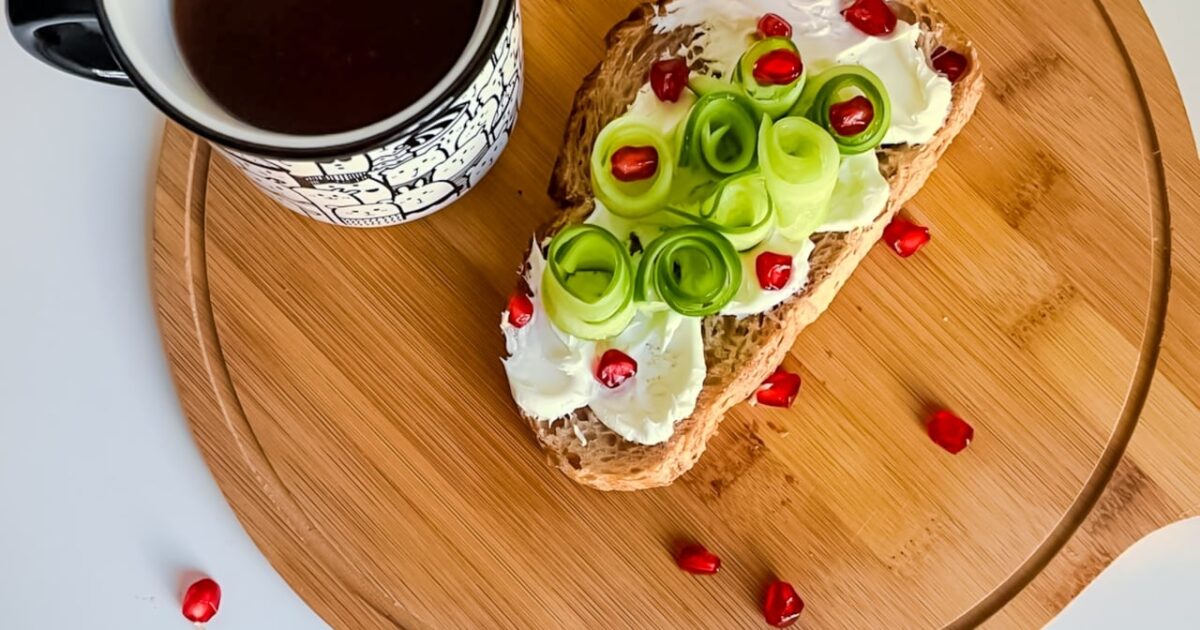
The second toast brings a more refined edge. Fresh goat cheese spread on toasted bread, topped with pomegranate seeds, fresh mint, and a drizzle of balsamic vinegar. The mint isn't just decorative here — it contributes vitamin C and carries real antioxidant properties. The balsamic vinegar adds depth and a slight acidity that balances the creaminess of the cheese.
Keeping a log of fresh goat cheese in the fridge makes this completely effortless. Slice, spread, add the toppings, done.
Toast 3: guacamole, paprika, and Kashmiri Mirch
The third option is the boldest. Homemade guacamole as the base — which means having ripe avocados on hand — topped with pomegranate seeds and finished with paprika and Kashmiri Mirch chili. Both spices are cited specifically for their anti-inflammatory properties, making this toast the most aggressively functional of the three.
Kashmiri Mirch is a mild, deeply red chili powder from northern India. It adds color and warmth without overwhelming heat — easy to use even if you’re not a fan of spicy food.
Lakshmi recommends preparing a ready-to-sprinkle spice blend in advance — paprika and Kashmiri Mirch mixed together in a small jar — so that finishing the toast takes seconds rather than rummaging through a spice rack.
The "mini anti-inflammatory kit" approach
The real idea behind these three recipes isn't the recipes themselves. It's the system. Lakshmi frames it as a "mini anti-inflammatory kit": a small set of ingredients, always available, that removes any decision-making from the equation when time is short.
Sliced whole grain or sourdough bread (frozen) · jar of pre-seeded pomegranate arils · peanut butter · fresh goat cheese · ripe avocados · pre-mixed spice blend (paprika + Kashmiri Mirch).
The contrast with industrial snacking is stark. A processed snack delivers fast sugars, refined flours, and poor-quality oils — three ingredients that, combined repeatedly over days and weeks, actively sustain chronic inflammation. These toasts do the opposite: fiber, healthy fats, antioxidants, and anti-inflammatory compounds in every variation.
And the time argument holds up. 5 minutes is genuinely enough when the components are already there. The system works at home, and it works at the office if you're willing to keep a few basics in the break room fridge.
preparation time for each of these anti-inflammatory toasts
This kind of thinking — reducing friction to make better food choices automatic — applies well beyond toast. Cutting sugar in baked recipes follows the same logic: small adjustments, made consistently, that shift the nutritional profile of what you eat without requiring willpower at every meal. The goal isn't perfection. It's building a default that's better than the vending machine.