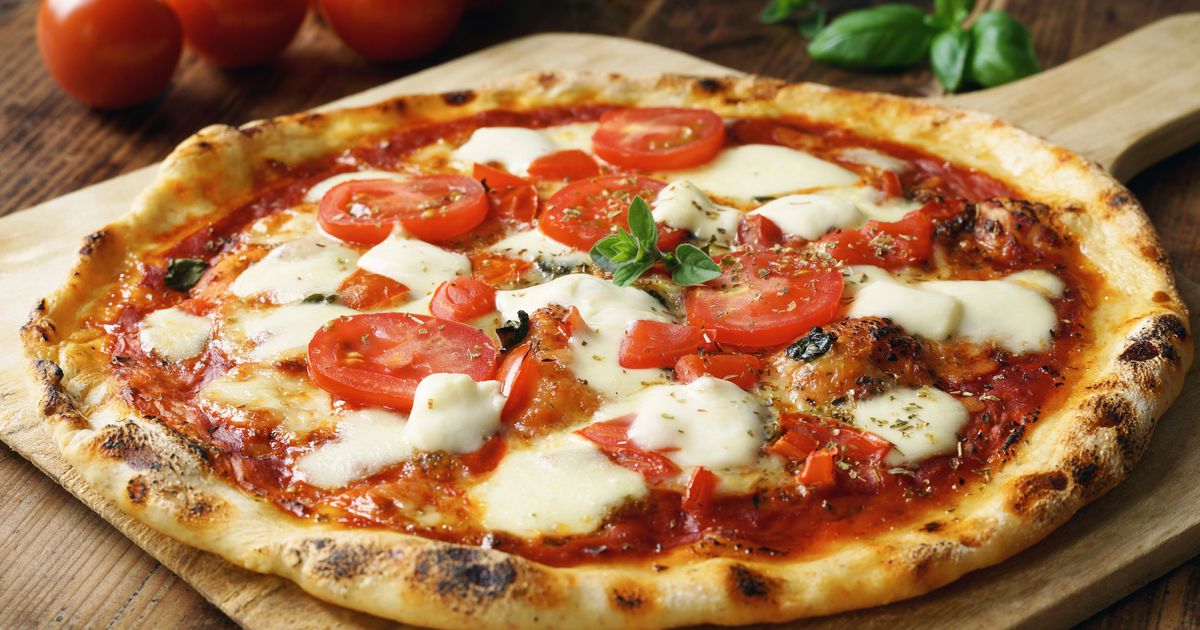
Homemade pizza dough lives or dies by one decision made before the oven even heats up. The rolling pin, that trusty kitchen staple sitting in almost every drawer, is actually the enemy of a fluffy, airy crust. Ditch it, stretch by hand, and your pizza will never be the same.
Most home cooks reach for a rolling pin out of habit. It's familiar, it's fast, and it seems to make sense. But when it comes to homemade pizza, that reflex is quietly sabotaging the result. The difference between a flat, dense base and a pillowy, golden crust comes down to one thing: how you handle the dough before it hits the heat.
The rolling pin destroys what makes pizza dough special
Pizza dough is alive, in a very real sense. After mixing flour, water, yeast, and salt, then letting the dough rest and rise, the fermentation process fills it with tiny air bubbles. These bubbles are everything. They are what give the crust its lightness, its chew, its signature texture when it puffs up at the edges.
When you press a rolling pin across the dough, you're not shaping it. You're compressing it. The weight and pressure of the pin systematically crushes those air pockets, pushing them out of the dough entirely. What you're left with is a flat sheet that has lost its structure before it even enters the oven. No bubbles means no rise, no fluffiness, no cornicione — that beautiful, airy border that defines a well-made pizza.
Even light pressure from a rolling pin is enough to eliminate the air bubbles that form during fermentation. Once they’re gone, no amount of baking will bring them back.
What hand-stretching does to the gluten network
The case for hand-stretching goes beyond just preserving bubbles. When you work the dough with your hands, you're actively stimulating the aromatic molecules locked inside the fermented mixture. The flavors of the flour, the yeast, and the salt develop as you stretch, creating a more complex, more satisfying taste in the finished pizza.
There's also a structural argument. Stretching by hand encourages the proteins in the flour to develop and align, forming a strong, elastic gluten network. This network is what allows the dough to hold its shape, trap gas during baking, and produce that characteristic chewy-yet-tender texture. A rolled dough has a weaker, more compressed structure. A hand-stretched dough has integrity.
The hand-stretching technique used by pizzaioli for centuries
This is not a new discovery. In Naples, widely recognized as the birthplace and capital of pizza, pizzaioli have been stretching dough by hand for centuries. The technique has been refined across generations precisely because it works, and because no mechanical shortcut has ever matched it.
The process starts simply. Place your ball of dough on a floured surface and press gently at the center, working outward toward the edges. The goal at this stage is to begin flattening the dough while keeping the rim thicker than the middle. Work slowly and let the dough respond to the pressure rather than forcing it.
Rotating and stretching toward the edges
Once the dough has been pressed into a rough disc, flour your hands generously. Lift the edges of the dough with your fingertips and begin rotating it slowly, turning clockwise while gently pulling the dough outward. The weight of the dough itself helps it stretch as you rotate. Keep the movement steady and patient, aiming for a round, even shape with a consistent thickness across the base.
The most theatrical version of this technique — spinning the dough above the head — is the signature move of professional pizzaiolos and serves the same mechanical purpose: using gravity and centrifugal force to stretch the dough evenly without compressing it. For home cooks, the tabletop version delivers the same result with far less risk of dough on the ceiling.
Once you've reached your desired shape and thickness, the dough is ready to be topped and baked. If you're looking for inspiration beyond the classic margherita, a four-cheese pizza pairs particularly well with a hand-stretched base that has real structure and flavor.
If the dough keeps snapping back when you try to stretch it, stop and let it rest for 5–10 minutes. The gluten is too tense. Resting allows it to relax and become much easier to work with.
Shortcut options that don't compromise the result
Not everyone has the time or inclination to make dough from scratch. Brands like Croustipate offer ready-made pizza kits that already include pre-portioned dough balls — and even with these products, the same rule applies. Skip the rolling pin, stretch by hand, and the result will be noticeably better than if you flatten the pre-made dough with a pin.
The same logic applies to baking equipment. Dedicated pizza ovens, like those made by Ooni, reach temperatures far beyond what a standard kitchen oven can achieve. That extreme heat is what creates the fast, dramatic rise in the crust during baking. But even the best oven can't compensate for dough that has been rolled flat and stripped of its air. The technique and the equipment work together — neither replaces the other.
For anyone who enjoys making homemade baked goods from scratch, the patience required here isn't so different from what goes into other recipes. The same care that makes fluffy crepes worth the effort applies directly to pizza dough: respect the texture, don't rush the process, and the result speaks for itself.
- Preserves air bubbles for a fluffy crust
- Develops the gluten network naturally
- Enhances flavor through aromatic stimulation
- Produces an authentic, uneven cornicione
- Crushes air bubbles formed during fermentation
- Compresses the gluten structure
- Results in a flat, dense, uniform crust
- Eliminates the textural contrast between base and rim
The rolling pin is a fine tool for pastry, for tart shells, for pasta. But homemade pizza dough belongs to a different category entirely, one where the hands are the only instrument that respects what the dough has become. Put the pin away, flour your hands, and let the dough do what it was made to do.