
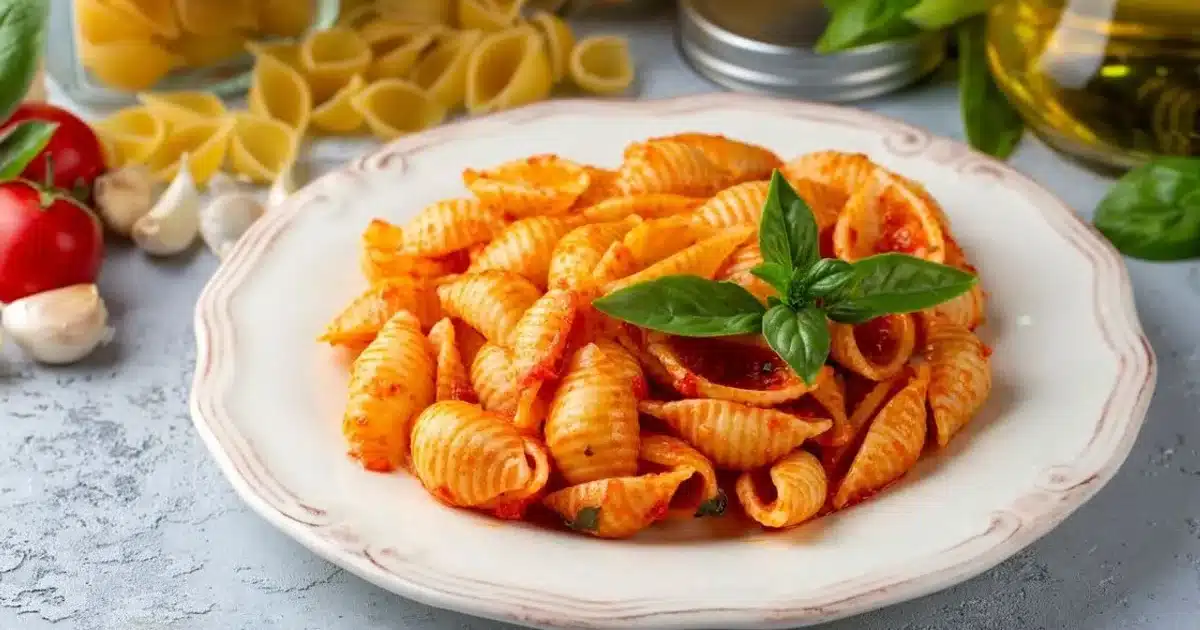
Italian chef Denny Imbroisi swears by a single rule for perfect pasta: 1 liter of water, 100 grams of pasta, 10 grams of salt. This "1-10-100" method eliminates sticky, bland noodles and delivers results that match what you'd find in a proper Italian kitchen — every single time.
Most people cook pasta the way they were taught, without ever questioning the ratios. Too much water, not enough salt, and suddenly dinner is a gluey disappointment. But according to Denny Imbroisi, an Italian chef who trained in some of France's most prestigious kitchens, the fix is embarrassingly simple.
France consumes 570,000 tonnes of pasta per year, and 7 out of 10 French people eat pasta at least once a week. That's a lot of potential for error. The average French person eats 8.6 kilos of pasta annually — still far behind Italy, where the figure reaches 23.3 kilos per person per year. The gap isn't just cultural. It's technical.
The 1-10-100 rule explained
The principle is straightforward: for every 100 grams of pasta, use exactly 1 liter of water and 10 grams of salt. No guessing, no eyeballing. Just a ratio that works.
Why too much water ruins pasta
The common mistake is using 2 liters of water for 100 grams of pasta, thinking more water means better cooking. The opposite is true. With excess water, the starch released by the pasta during cooking gets diluted and dispersed instead of staying in the cooking liquid. That starch is what gives pasta its texture and helps sauce cling to it later. Dilute it away and you're left with noodles that stick together, taste flat, and refuse to absorb whatever sauce you pour over them.
Why salt matters more than you think
10 grams of salt per liter sounds like a lot. It is. And that's the point. Pasta cooking water should taste noticeably salty, almost like a light broth. Under-salted water produces pasta that tastes of nothing, no matter how good the sauce is. The salt also affects the texture at a molecular level, firming up the exterior of the pasta as it cooks. Skipping or reducing the salt doesn't just affect flavor — it changes the entire structure of the finished dish. If you're curious about how small adjustments to ingredients can transform a recipe, the same logic applies when you learn how much sugar you can remove from a baked recipe without altering the result.
Who is Denny Imbroisi and why trust him
Denny Imbroisi is not a food blogger with a popular account. He is an Italian-born professional chef who worked as sous-chef in two Michelin-starred restaurants in France: Mirazur, located on the Côte d'Azur, and Jules Verne, inside the Eiffel Tower. In 2012, he competed on Top Chef season 3, broadcast on M6, which brought his name to a wider audience.
The chef regularly shares cooking tips and techniques on Instagram under the handle @dennyimbroisi. His advice targets home cooks who want professional results without professional equipment.
His credentials matter here because the 1-10-100 rule isn't a trend or a hack — it reflects how pasta is actually cooked in Italian professional kitchens. When someone with his background gives a ratio this specific, it's worth paying attention.
The four pasta brands worth buying
Knowing the right technique only gets you halfway. The quality of the pasta itself determines the rest. Imbroisi recommends four brands that are widely available in supermarkets and specialty stores:
- Benedetto Cavalieri — a historic producer from Puglia, known for slow drying at low temperatures
- Rummo — a Neapolitan brand with a long history and a texture that holds up well during cooking
- Garofalo — reliable, widely distributed, and consistent in quality
- Gentile — a smaller artisan producer, also from Gragnano, the Italian town historically associated with pasta production
Artisan pasta brands like Benedetto Cavalieri and Gentile are dried slowly at low temperatures, which preserves the wheat’s natural proteins and gives the pasta a rougher surface. That rougher texture is what makes sauce stick rather than slide off.
What distinguishes these brands from generic supermarket pasta comes down to the wheat used, the bronze dies that shape the pasta (leaving a rough surface instead of a smooth one), and the drying process. Cheap pasta dries fast at high heat, which compromises the gluten network and results in a softer, mushier texture when cooked. Good pasta takes its time. Much like cooking a homemade pizza that actually rises properly, the quality of your base ingredient changes everything.
Putting it all together
The 1-10-100 rule scales cleanly. Cooking for four people? Use 400 grams of pasta, 4 liters of water, and 40 grams of salt. The ratios stay constant regardless of quantity. Bring the water to a full rolling boil before adding the salt — adding it too early slightly raises the boiling point, which isn't a problem, but adding it to cold water means it sits at the bottom rather than distributing evenly. Add the pasta all at once, stir immediately to prevent sticking in the first 30 seconds, and cook according to the package time for al dente.
of pasta consumed per person per year in Italy — nearly three times the French average
One detail that often gets overlooked: reserve a cup of the cooking water before draining. That starchy, salty liquid is what Italian cooks use to loosen a sauce, adjust its consistency, and help it bind to the pasta. Pouring it all down the drain is the last mistake to fix. And if you enjoy applying precise kitchen techniques to everyday cooking, the same attention to method works brilliantly for dishes like a creamy mushroom risotto-style rice where ratios matter just as much.
The Italians have been eating 23.3 kilos of pasta per person per year for generations. They didn't get there by accident. They got there by treating pasta as a craft, not an afterthought. The 1-10-100 rule is the entry point to that craft, and it costs nothing to apply.