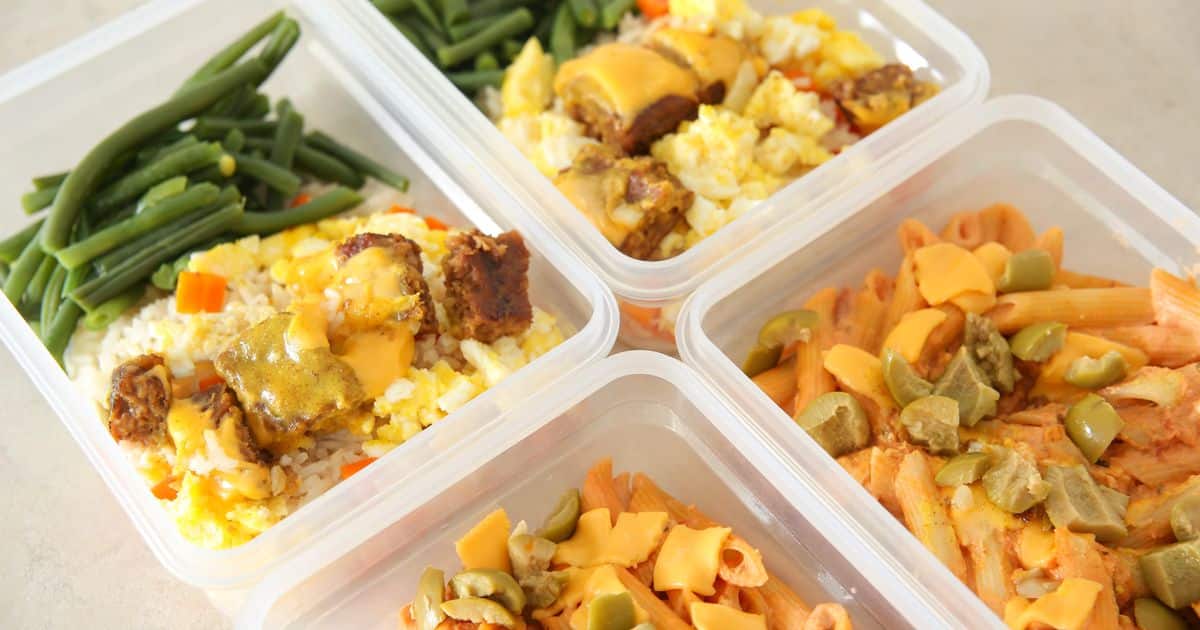
Freezing a cooked dish made with frozen products is perfectly safe — as long as the ingredients went through a full cooking process first. The rule is clear: you can re-freeze, but only after cooking. Skipping that step risks serious foodborne illness.
You've just made a hearty stew or a comforting casserole using frozen vegetables, frozen fish, or frozen meat from the back of your freezer. The question hits you as you're reaching for a container: can you actually freeze the finished dish? The answer depends on one thing, and one thing only — whether those frozen ingredients were cooked through before going back into the cold.
This is one of the most common kitchen dilemmas, and the confusion is understandable. Freezing rules can feel contradictory. But the science behind them is straightforward once you understand what happens at the bacterial level.
Refreezing frozen products without cooking is never safe
The moment a frozen product starts to thaw, bacterial activity resumes. Freezing doesn't kill bacteria — it simply puts them on pause. When the temperature rises during defrosting, microorganisms that were dormant begin to multiply again, and the product becomes vulnerable to its surrounding environment.
Pathogenic agents can develop rapidly during this window. Refreezing a thawed product without cooking it first locks those bacteria back in at whatever population level they'd reached, and the next thaw picks up right where things left off. The result can be foodborne illness of varying severity, from mild digestive discomfort to more serious complications.
Why texture and taste also suffer
Beyond the health risk, there's a quality argument. Refreezing a raw or pre-cooked thawed product damages its cellular structure. Ice crystals form and break down the tissue, leading to a noticeably degraded texture — mushier vegetables, tougher proteins, waterlogged results. The taste suffers too. So even if the safety concern didn't exist, the sensory experience would be reason enough to avoid it.
Never refreeze a thawed frozen product without cooking it first. Once defrosted, consume it quickly or cook it immediately before storing.
Cooking transforms the equation entirely
Here's where the rule flips. Picard, the frozen food specialist, states it clearly on their official website: "Il n'est pas du tout contre-indiqué de congeler un plat cuisiné que vous aurez préparé à partir d'aliments, puisque l'ensemble aura subi une cuisson." In plain English — freezing a homemade cooked dish prepared from frozen ingredients is completely fine, because the cooking process changes everything.
Heat kills the bacteria that had reactivated during thawing. A thorough cooking cycle — whether you're making a creamy mushroom risotto or a slow-cooked meat dish — effectively resets the bacterial count. The cooked dish is then a new product, distinct from the original frozen ingredients. Freezing it at that point is no different from freezing any other homemade meal.
The key condition: full cooking, not just warming
The authorization only holds when the ingredients have undergone complete cooking, not just a quick warm-through. Partially cooked food doesn't carry the same safety guarantee. If you've used frozen shrimp in a stir-fry that reached proper cooking temperature throughout, you're good. If you've just defrosted something and reheated it to lukewarm, the equation is different.
This distinction matters especially for proteins — frozen chicken, fish, or minced meat used in homemade dishes. Once fully cooked and cooled, those dishes can be portioned into airtight containers and frozen with confidence.
A homemade cooked dish made from frozen ingredients can be safely frozen — provided every component was fully cooked before freezing the finished dish.
Pre-made frozen meals follow a different rule
There's one important exception that trips people up. Industrially prepared frozen meals — the kind you buy ready to heat — must not be refrozen after thawing, even if you reheat them. These products have already been cooked during manufacturing. Thawing them and then refreezing them, even after another round of heating, doesn't carry the same safety profile as cooking raw frozen ingredients yourself.
The difference lies in the traceability of the cooking process. With a homemade dish, you control the cooking temperature and duration. With a pre-made industrial product, the original cooking conditions are set by the manufacturer and aren't replicable in a home kitchen at the same standards.
If you're curious about how freezing affects specific ingredients — say, dairy-based products — the same logic of bacterial activity and texture degradation applies. The piece on whether you can freeze mozzarella goes into the science behind what cold storage does to delicate foods.
| Situation | Can you freeze it? |
|---|---|
| Thawed frozen product, no cooking | ❌ Never |
| Homemade dish cooked from frozen ingredients | ✅ Yes |
| Industrial pre-made frozen meal, reheated | ❌ No |
| Homemade dish using both fresh and frozen ingredients, fully cooked | ✅ Yes |
The bottom line is that cooking is the dividing line. It's not about whether the original ingredients were frozen. It's about whether heat was applied thoroughly enough to make the finished dish safe to freeze as a new product. Get that step right, and your freezer becomes a genuinely useful tool for batch cooking and reducing food waste — without any compromise on safety.