
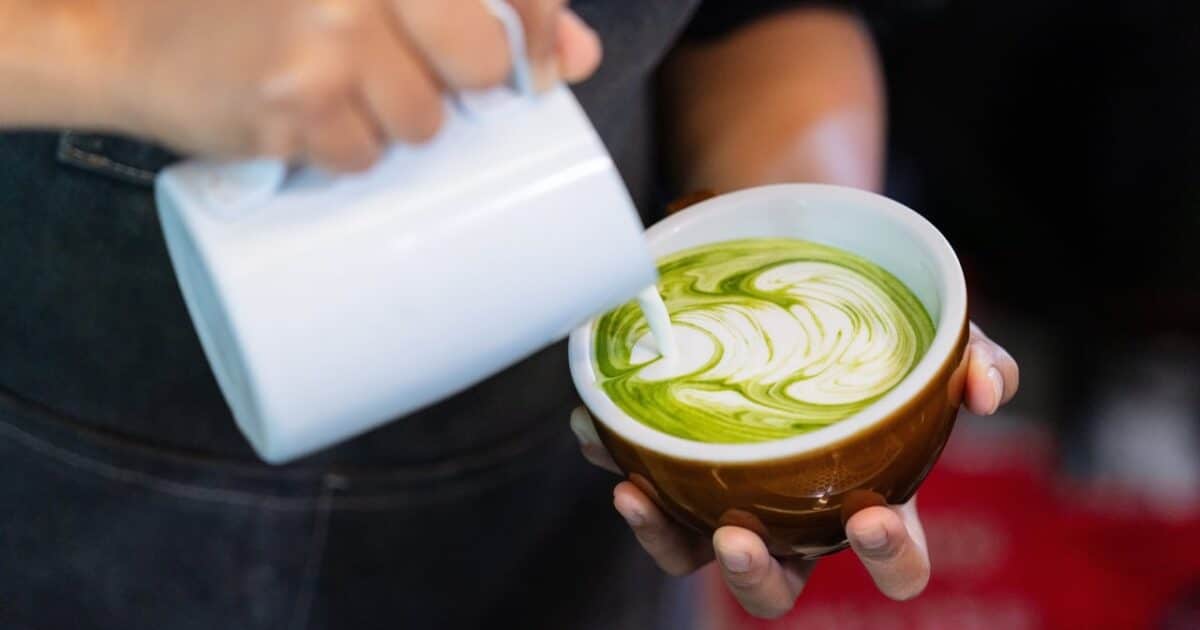
Matcha, the finely ground Japanese green tea, has been declared the healthiest tea by Dr. William Li, a physician who highlights its "exceptionally high level of antioxidants" in a recent Instagram video. From cardiovascular protection to sustained mental energy, this centuries-old ceremonial drink delivers benefits that few beverages can match.
Most people reach for coffee in the morning without a second thought. But Dr. William Li, a physician known for his research on food as medicine, makes a compelling case for switching that habit, at least occasionally, to matcha tea. His verdict, shared on his Instagram page, is straightforward: matcha is the healthiest tea you can drink.
The claim isn't rooted in trend-chasing. Matcha has been central to traditional Japanese tea ceremonies for centuries, and modern nutritional science is catching up to what those traditions long understood intuitively.
Matcha's antioxidant profile is in a class of its own
The defining characteristic of matcha, according to Dr. Li, is its catechin content. Catechins are a family of antioxidants found in green tea, but matcha concentrates them at what the physician describes as an "exceptionally high level." This is partly because of how matcha is produced: the entire tea leaf is ground into a fine powder, meaning you consume the whole leaf rather than a steeped extract.
EGCG, the most powerful catechin in matcha
Among these catechins, one compound stands out: EGCG, or épigallocatéchine gallate. Dr. Li singles it out for its role in cardiovascular health. EGCG helps keep arteries in good condition and actively works to reduce LDL cholesterol, the so-called "bad" cholesterol associated with arterial plaque and heart disease. For anyone looking to support their heart through diet, that's a meaningful benefit packed into a single daily cup.
Protection against free radicals and chronic disease
Beyond the cardiovascular angle, the antioxidants in matcha neutralize free radicals, the unstable molecules that damage cells over time. This cellular protection connects to two of the most discussed health concerns today: aging and chronic disease prevention. Antioxidant-rich foods are widely associated with slowing oxidative stress, and matcha delivers this in concentrated form. If you're already thinking about how food choices affect long-term health, this fits naturally alongside other nutrient-dense habits, like reducing sugar in your recipes without sacrificing flavor.
Matcha delivers energy without the crash
One of the most practical arguments Dr. Li makes for matcha over coffee comes down to how each drink releases its caffeine. Coffee is notorious for producing sharp spikes in alertness followed by equally sharp drops, often accompanied by jitteriness or disrupted sleep. Matcha works differently.
The role of L-Théanine in sustained focus
The key is L-Théanine, an amino acid naturally present in matcha. It moderates the way caffeine enters the bloodstream, producing a gradual, sustained release rather than an abrupt surge. The result is real, usable energy without the agitation or insomnia that many coffee drinkers know too well. Dr. Li emphasizes that this combination promotes relaxation without drowsiness, a balance that directly supports concentration and productivity throughout the day.
The L-Théanine and caffeine combination in matcha is what makes it distinct from other green teas. Because you consume the whole ground leaf, you get significantly more of both compounds than from a standard steeped green tea bag.
This sustained energy profile makes matcha particularly interesting for anyone who finds coffee too stimulating but still needs a reliable mental boost. It's a different relationship with caffeine, one built on steadiness rather than intensity.
Matcha's mental health benefits go beyond alertness
Dr. Li's analysis doesn't stop at physical health. The L-Théanine in matcha also has a direct effect on mood. Specifically, it stimulates the production of dopamine and serotonin, two neurotransmitters that regulate emotional well-being, motivation, and feelings of pleasure. This places matcha in a rare category of foods that act on both the body and the mind simultaneously.
neurotransmitters — dopamine and serotonin — are stimulated by L-Théanine in matcha
The practical outcome, according to Dr. Li, is a measurable improvement in mood, mental well-being, and overall productivity. These aren't abstract claims. Dopamine and serotonin are well-documented in their roles in focus and emotional regulation, and a dietary source that supports their production naturally is worth paying attention to.
Matcha's origins in Japanese ceremonial culture are worth noting here too. Tea ceremonies were never just about the drink itself but about creating a state of calm, focused presence. The biochemistry of matcha, it turns out, actively supports exactly that state. While exploring other traditional food cultures can be equally rewarding, from Tunisian mloukhiya to North African pastries, matcha stands apart as a drink with a scientifically backed case for daily consumption.
The picture Dr. Li paints is of a single ingredient that covers an unusual amount of ground: antioxidant protection, heart health, clean energy, mental clarity, and emotional balance. That combination, rooted in centuries of Japanese tradition and now confirmed by nutritional research, is why he places matcha at the top of the tea hierarchy. And for a morning ritual, that's a hard case to argue against.